Not every home improvement needs to involve a major renovation or a large budget. In fact, some of the most valuable upgrades are the ones that cost relatively little but quietly reduce household expenses year after year. They may not transform the appearance of a home overnight, yet they often improve comfort, reduce maintenance, and help prevent costly problems from developing in the future.
Many homeowners naturally focus on the purchase price of an upgrade. A more useful question is what that improvement will continue doing after it’s installed. Will it lower energy use? Will it reduce wear on household systems? Will it save time spent on maintenance? Thinking this way changes home improvement from simple spending into a long-term investment.
This guide looks at practical upgrades that continue providing value well beyond the day they’re completed. Rather than chasing trends, the focus is on improvements that work quietly in the background while helping homeowners spend less over time.
Small Investments Often Deliver the Biggest Returns
Expensive projects usually attract the most attention, but they don’t always provide the greatest long-term value. A modest improvement that reduces monthly utility bills or prevents recurring maintenance can eventually save far more than its original cost.
For example, sealing small air leaks around doors and windows doesn’t dramatically change how a room looks. However, reducing unwanted drafts allows heating and cooling systems to work more efficiently throughout the year. Over time, that simple improvement can make the home more comfortable while lowering energy consumption.
The same principle applies to many budget-friendly upgrades. Their value comes from consistent performance, not immediate visual impact.
Look for places where your home quietly wastes money.
Homes lose money in ways that aren’t always obvious. Warm air escapes through small gaps, water drips from worn fixtures, outdated lighting consumes more electricity than necessary, and neglected maintenance gradually shortens the lifespan of expensive equipment.
Identifying these hidden sources of waste helps homeowners prioritize improvements that produce measurable benefits. Instead of asking which upgrade looks the most impressive, ask which one solves a problem that repeats every day.
Reducing ongoing waste usually creates greater long-term value than adding purely decorative features.
Better Weather Sealing Can Reduce Energy Loss
One of the simplest improvements involves checking the seals around exterior doors and windows. Over time, weather stripping can compress, crack, or lose its ability to block outside air effectively.
Replacing worn seals is generally inexpensive and can improve indoor comfort during both hot summers and cold winters. Heating and cooling systems often operate more efficiently when conditioned air stays inside the home instead of escaping through small openings.
Although this upgrade is easy to overlook, it continues providing benefits every season with very little maintenance.
Modern Lighting Uses Less Energy for Longer
Lighting technology has improved significantly over the past decade. Replacing older bulbs with energy-efficient alternatives doesn’t require remodeling, yet it can reduce electricity use while decreasing the frequency of bulb replacements.
Another advantage is longevity. Modern energy-efficient bulbs often last much longer than traditional options, meaning homeowners spend less time and money replacing burned-out lighting throughout the house.
When several fixtures are updated over time, the combined savings become more noticeable than many people expect.
Home Upgrades That Continue Delivering Value
| Upgrade | Primary Benefit | Long-Term Advantage |
|---|---|---|
| Replace worn weather stripping | Reduces drafts | Lower heating and cooling costs |
| Upgrade to energy-efficient lighting | Uses less electricity | Lower energy bills and fewer bulb replacements |
| Seal gaps around windows and doors | Improves indoor comfort | Better energy efficiency year-round |
| Install water-saving faucet aerators | Reduces water use | Lower water consumption over time |
| Replace damaged caulk in wet areas | Helps prevent moisture damage | Fewer future repair costs |
These improvements may seem modest individually, but together they can make a meaningful difference over several years.
Water Efficiency Starts With Small Changes
Reducing water consumption doesn’t always require replacing major plumbing fixtures. Simple improvements such as installing efficient faucet aerators, repairing minor leaks promptly, or replacing worn seals can noticeably reduce unnecessary water use.
Even a slow drip that appears insignificant can waste a surprising amount of water over time. Addressing these small issues early helps avoid larger plumbing problems while keeping utility costs under better control.
Water-saving upgrades are often most effective because they work automatically without requiring homeowners to change their daily habits.
Preventing Moisture Damage Is Usually Cheaper Than Repairing It
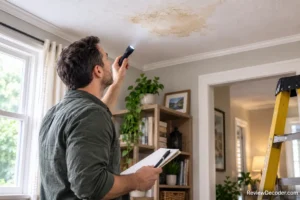
Water can cause gradual damage that remains hidden until repairs become expensive. Maintaining caulk around sinks, showers, bathtubs, and backsplashes helps create a barrier that protects surrounding materials from repeated exposure to moisture.
Replacing deteriorated sealant is a relatively inexpensive maintenance task, yet it can help reduce the likelihood of water reaching walls, flooring, or cabinetry. Preventive maintenance rarely attracts attention, but it often protects some of the most expensive parts of a home.
Investing a little time today can prevent much larger repair costs years later.
Durable Improvements Usually Outlast Decorative Trends
Some upgrades continue delivering value because they improve how a home functions rather than how it looks. Durable shelving, stronger storage systems, better ventilation, and practical organization solutions rarely go out of style because they solve everyday problems.
Unlike decorative updates that may eventually feel outdated, functional improvements often remain useful regardless of changing design preferences. They continue making daily life easier while reducing wear on other parts of the home.
When choosing between appearance and practicality, long-term function frequently provides the better return on investment.
Think About Savings Over the Next Five Years
The true value of a budget home upgrade isn’t measured during the week it’s installed. Instead, it becomes clear through lower utility bills, fewer maintenance tasks, reduced repair costs, and improved comfort over many years.
Viewing home improvements through this longer time frame helps homeowners prioritize projects that continue paying back their initial investment long after the work has been completed.
Maintenance Can Be the Most Affordable Upgrade of All
People often consider home improvements to be projects that involve buying new materials or installing new features. In reality, one of the most cost-effective improvements is simply maintaining what you already own.
Cleaning roof gutters before they overflow, replacing worn weather seals, servicing heating and cooling systems according to the manufacturer’s recommendations, and tightening loose hardware all help household components last longer. These tasks usually require far less money than replacing damaged systems later.
A home that receives regular maintenance often costs less to own because small issues are addressed before they become major repairs.
Choose Materials That Need Less Attention
When replacing something in your home, it helps to think beyond the purchase price. Some materials may cost slightly more initially but require far less maintenance over the years.
For example, finishes that resist moisture, shelving that can support everyday use without bending, or flooring that is easy to clean can reduce the amount of time and money spent on future upkeep. Instead of repeatedly repairing or replacing lower-quality materials, investing in durable options often provides better value over the life of the home.
The most affordable choice isn’t always the least expensive one at the checkout—it is often the one that performs reliably for the longest time.
Better Airflow Helps More Than Comfort
Improving airflow inside a home can create benefits that extend beyond making rooms feel more comfortable. Good ventilation helps reduce excess humidity, supports healthier indoor conditions, and may decrease the likelihood of moisture-related problems developing in kitchens, bathrooms, and laundry areas.
Simple improvements such as keeping vents unobstructed, cleaning exhaust fans regularly, or replacing clogged air filters allow ventilation systems to work more efficiently. These tasks require relatively little effort, yet they can improve both comfort and the performance of household equipment.
Looking after airflow is one of those improvements that quietly contributes to the overall condition of a home without attracting much attention.
Comparing Short-Term and Long-Term Value
| Upgrade | Immediate Benefit | Benefit After Several Years |
|---|---|---|
| Weather sealing | Fewer drafts | Lower heating and cooling costs |
| Energy-efficient lighting | Reduced electricity use | Lower utility bills and fewer replacements |
| Replacing worn caulk | Cleaner appearance | Helps prevent moisture-related repairs |
| Water-saving fixtures | Reduced water use | Ongoing savings on utility bills |
| Routine HVAC maintenance | Better system performance | May extend equipment lifespan and reduce repair costs |
Thinking about how an upgrade performs over several years often changes how valuable it appears.
Avoid Spending Money on Improvements That Solve No Real Problem
It’s easy to become interested in upgrades simply because they’re popular or look impressive online. However, not every trend improves the way a home functions.
Before beginning any project, ask yourself what specific problem it solves. Does it reduce energy use? Will it make maintenance easier? Can it prevent future repairs? If the answer is unclear, it may be worth delaying the project until you identify improvements with more practical benefits.
A thoughtful approach helps ensure that every improvement contributes something meaningful rather than simply changing the appearance of a room.
Build Your Upgrade Plan One Project at a Time
Trying to improve every part of a home at once often places unnecessary pressure on both time and budget. A more sustainable approach is to complete smaller projects gradually, allowing each improvement to provide value before moving to the next one.
Many homeowners discover that completing one practical upgrade every few months is easier to manage than attempting a large renovation all at once. This approach also creates opportunities to reassess priorities as the home’s needs change.
Consistent progress usually produces better long-term results than rushing through multiple projects.
A Simple Way to Prioritize Budget Upgrades
| Ask Yourself | Why It Helps |
|---|---|
| Will this reduce monthly expenses? | Focuses on ongoing savings rather than one-time improvements. |
| Can it prevent future repairs? | Preventive work often saves money later. |
| Will it improve everyday comfort? | Practical improvements usually provide lasting value. |
| Does it require little ongoing maintenance? | Lower maintenance often means lower ownership costs. |
| Will it remain useful in five years? | Encourages long-term thinking instead of following short-lived trends. |
Using questions like these makes it easier to compare different improvement ideas objectively.
Final Thoughts
The most valuable home improvements are often the ones that continue working long after the tools have been put away. Reducing energy loss, preventing moisture damage, improving ventilation, maintaining household systems, and choosing durable materials may not dramatically change how a home looks, but they can improve comfort, lower ongoing expenses, and reduce future repair costs.
Rather than chasing every new trend, focus on upgrades that solve everyday problems and continue providing practical benefits year after year. Small, well-planned improvements made consistently often deliver a stronger long-term return than large projects chosen without a clear purpose. Over time, these thoughtful decisions help create a home that is not only more comfortable to live in but also more economical to maintain.
Frequently Asked Questions
Do budget home upgrades really make a noticeable difference?
Yes. While individual savings may seem modest, several small improvements working together can reduce household expenses and improve comfort over many years.
Which budget upgrade should most homeowners consider first?
That depends on the home’s condition, but projects that reduce energy loss, improve water efficiency, or prevent moisture damage often provide long-term value.
Are expensive renovations always better investments?
Not necessarily. Many lower-cost improvements continue delivering savings for years, while some expensive renovations mainly change appearance without reducing future costs.
How often should I review my home’s maintenance needs?
A seasonal inspection is a practical approach. Checking common areas a few times each year helps identify small issues before they become larger repairs.
Should I complete several upgrades together?
Only if your budget comfortably allows it. For many homeowners, completing improvements gradually makes planning easier while spreading costs over time.

Hamza Farooq is a home improvement and organization writer who shares practical advice on cleaning, simple DIY fixes, and smart home organization. He focuses on creating easy-to-follow guides that help readers solve everyday household problems with realistic, affordable solutions. His goal is to make home maintenance simpler, more efficient, and accessible for anyone looking to improve their living space.