
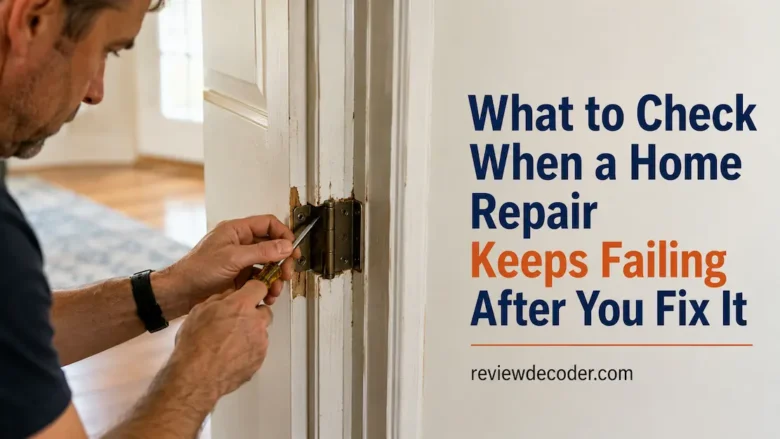
There is a particular kind of home repair that becomes more frustrating every time you touch it. You tighten the loose handle, stop the drip, patch the crack, adjust the door, or replace the worn part, and for a while everything seems fine. Then the same problem returns. Sometimes it takes a day. Sometimes it …
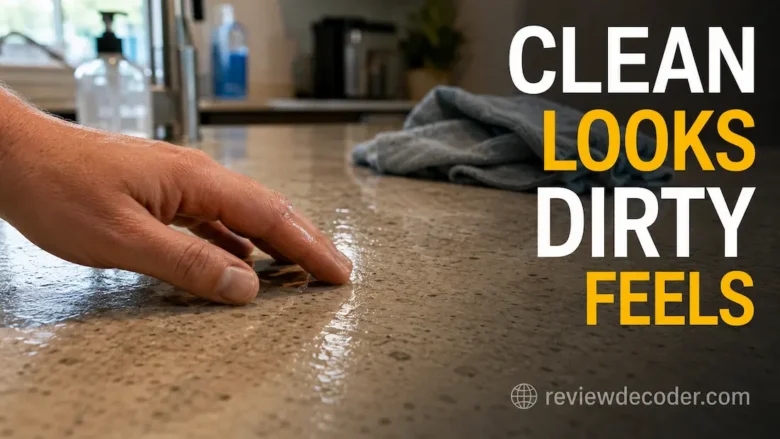
A surface may appear perfectly clean yet still prompt you to wipe it again. The countertop may have no visible crumbs, the table may look polished, and a cabinet door may appear spotless under normal lighting, yet your hand immediately notices something different. It might feel slightly greasy, tacky, dusty, rough, or simply unlike the …
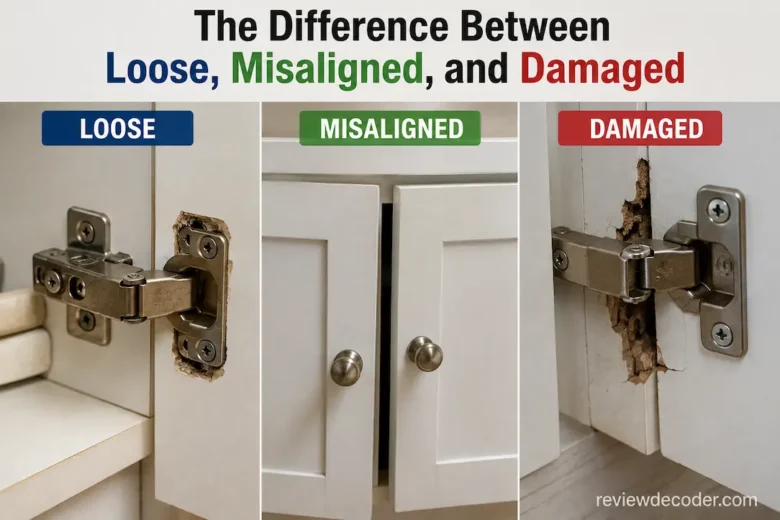
A door that suddenly rubs against its frame, a drawer that stops sliding properly, or a cabinet handle that begins to wobble can all lead to the same first reaction: something needs fixing. The difficult part is working out what actually needs fixing. A component can be loose, sitting in the wrong position, or physically …

Cleaning is supposed to remove dirt, but some routines can quietly work against that goal. A cloth gets used across several surfaces, a spray is applied a little too heavily, dust is wiped with a damp rag, or the same mop water stays in use longer than it should. Nothing looks obviously wrong while it …
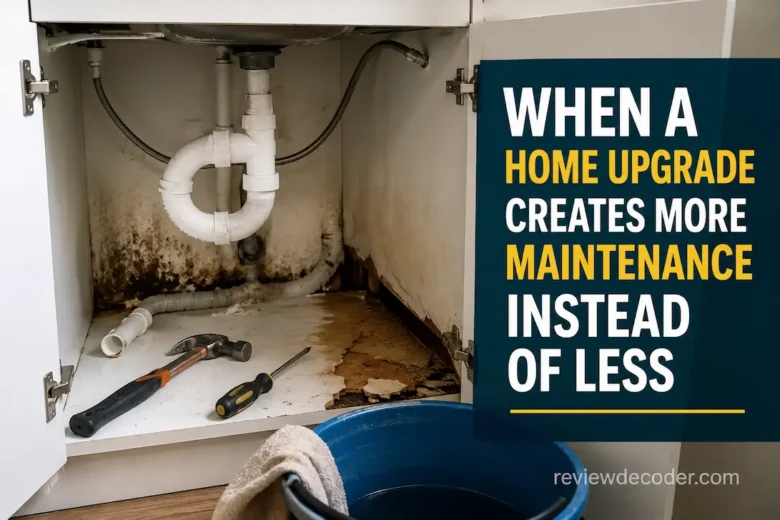
There is a particular kind of home repair that becomes more frustrating each time you attempt it. You tighten the fitting, replace the damaged piece, adjust the hinge, seal the gap, or make the small repair that seemed to be the obvious answer. For a while, everything appears normal. Then the same problem returns. Sometimes …

It can be surprisingly frustrating to clean the same countertop, table, sink, or glass surface using what seems like the same method and get a different result each time. One day the surface dries evenly and feels smooth. Another day, it looks streaky, feels slightly sticky, or seems to collect dust almost immediately. It is …

When a home starts feeling short on storage, the natural reaction is to look for something new to buy. A larger cabinet, another shelving unit, plastic containers, an under-bed organizer, or a piece of furniture with built-in storage can all seem like sensible solutions. But many homes already contain more usable storage space than their …
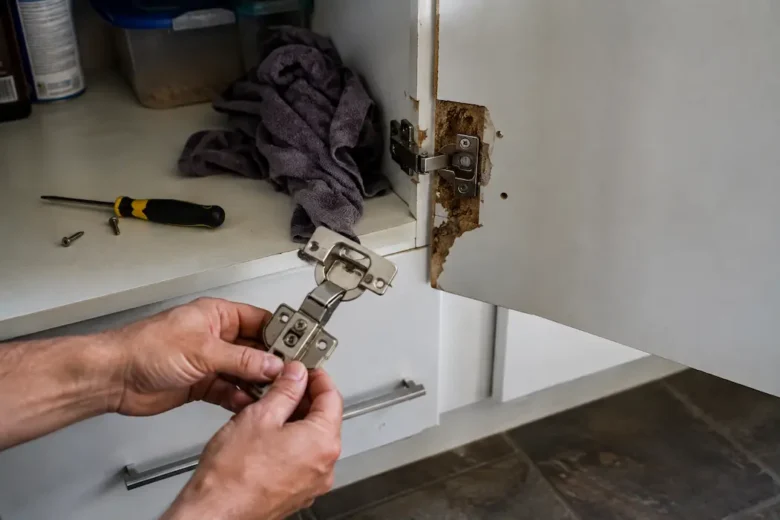
Replacing something that has broken seems like the most straightforward kind of home repair. A hinge bends, so you buy a new hinge. A tap starts leaking, so you replace the faulty fitting. A drawer runner breaks, so you install another one. Once the damaged component is gone, it is easy to assume the problem …
A cheap home improvement can feel like a smart decision when you finish the work, and the immediate bill is low. A fresh coat of paint, an inexpensive fixture, a quick patch, a basic storage solution, or a low-cost replacement can make a room look noticeably better without putting much pressure on the household budget. …

A home can have plenty of cupboards, drawers, shelves, wardrobes, and cabinets and still feel as though it has nowhere to put anything. The strange part is that the storage itself may not be full. You can open a cabinet and see space, yet still struggle to put away the next item. A drawer may …