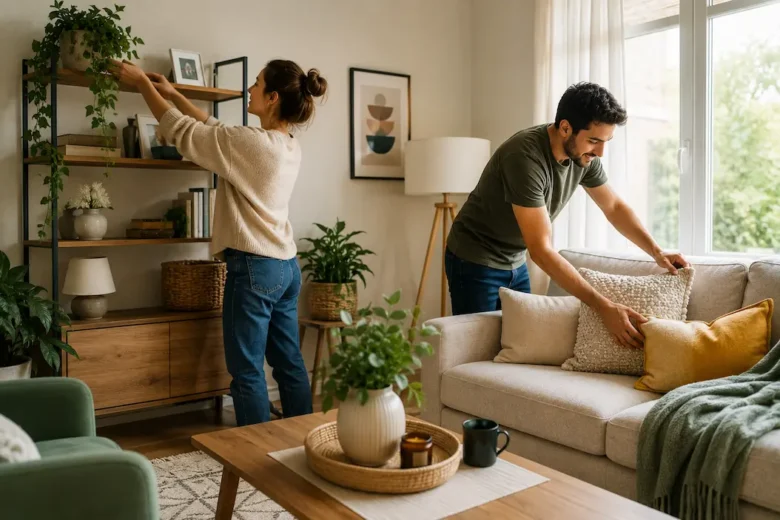
A home can start to feel worn long before anything is actually wrong with it. The paint may still be in decent condition, the cabinets may work perfectly, and the floors may have years of useful life left, yet the rooms can somehow feel dated, cluttered, or disconnected from the way you live now. That feeling often creates the temptation to remodel, even when a major renovation is unnecessary.
A full remodel can certainly transform a house, but it also brings cost, planning, disruption, dust, and decisions that may not be justified when the real problem is simply that the space needs a refresh. In many cases, the most significant improvement comes from changing what is already there rather than tearing anything out. Furniture placement, lighting, wall treatments, textiles, hardware, organization, and neglected maintenance can change the character of a room without altering its basic structure.
The key is to stop looking at the house as a collection of things that need replacing and start looking at it as a space that needs editing. A few carefully chosen changes can make familiar rooms feel cleaner, brighter, more functional, and more current while preserving the features that still work well.
Start by Finding What Actually Feels Old
Before buying anything, I find it useful to walk through the house slowly and identify what is creating the dated feeling. Sometimes the problem is obvious, such as worn flooring or damaged paint. But often it is less dramatic. A room may contain too many mismatched accessories, poor lighting, bulky furniture, or objects that were placed there years ago and never reconsidered.
I try not to label everything as outdated simply because it is not new. A solid wooden cabinet, a well-built table, or a good-quality floor does not become a problem just because design trends have changed. If something is functional and in good condition, keeping it can make more sense than replacing it. The goal is to identify what is genuinely weakening the room rather than spending money simply because a space feels different from current decorating trends.
Decluttering Can Create a Bigger Change Than Decorating
One of the fastest ways to refresh a room is to remove things that no longer contribute to it. Over time, surfaces naturally turn into storage areas for objects that people never intentionally chose as part of the room. Tables collect paperwork, shelves become crowded, and countertops slowly lose their original purpose.
Removing unnecessary items can make existing furniture and architectural details more noticeable. It also provides the room more breathing space, which can make it feel newer without adding anything. I prefer to remove items in stages rather than emptying an entire room at once. Start with the most visible surfaces, then look at furniture that has become overloaded with objects.
A refreshed room does not necessarily need more decoration. Sometimes it needs fewer things that compete for attention.
Rearrange Furniture Before Replacing It
Furniture placement can make an old room feel stale even when the individual pieces are perfectly usable. If the same sofa, chairs, table, and cabinet have occupied the same positions for years, the room may simply need a different arrangement.
Before buying replacement furniture, try moving the existing pieces. Consider whether the main seating area encourages conversation, whether walking paths are clear, and whether important windows or sources of natural light are being blocked. Sometimes turning a sofa, moving a chair, or repositioning a table changes how the entire room feels.
Take photographs from the doorway and from the main seating position. Looking at the room in a photograph can reveal awkward spacing and visual clutter that are easy to ignore when you see the arrangement every day.
Refresh Walls Without Rebuilding Them
Walls occupy a large percentage of a room’s visible surface, so even a relatively simple wall treatment can have a substantial effect. Painting is one obvious option, but it is not the only one.
You can refresh a room by changing artwork, removing outdated decorations, rearranging existing frames, or creating a more deliberate focal point. If the walls are painted and in reasonable condition, even cleaning marks around high-use areas can improve the overall appearance.
When painting is appropriate, the objective does not have to be dramatic. A subtle color change can make a room feel cleaner and more intentional, while repainting a single wall can create a focal point without turning the entire project into a major renovation.
Give Lighting More Attention
Lighting is one of the most underestimated parts of a home refresh. A room with good furniture and attractive finishes can still feel dull if it relies on a single harsh overhead fixture.
Look at how the room is illuminated at different times of day. A living room may benefit from a combination of general lighting and smaller lamps, while a bedroom may feel more comfortable with softer sources at night. A work area needs enough focused light to be practical, while decorative lighting can help emphasize artwork or architectural features.
Changing a lampshade, moving a lamp, replacing an outdated fixture where appropriate, or simply redistributing existing lights can alter the atmosphere without changing the room itself. Good lighting can also make clean surfaces, colors, and architectural details more noticeable.
Replace the Small Details That Date a Room
Sometimes a room looks old because several small details are old at the same time. Cabinet pulls, drawer handles, switch plates, curtain hardware, and other visible hardware can have a surprisingly strong effect because they are repeated throughout the space.
This does not mean replacing every piece of hardware in the house. Choose the areas where the existing details are particularly worn, mismatched, or visually distracting. A consistent update in one room can create a more finished appearance without requiring new cabinets or furniture.
Before changing hardware, check measurements and compatibility carefully. A replacement that requires extensive modification can turn a simple refresh into an unnecessary repair project.
Clean the Parts That Are Usually Ignored
A home can feel older simply because certain surfaces have accumulated years of everyday residue. Baseboards, doors, vents, light fixtures, cabinet fronts, window frames, and areas behind furniture may not be part of ordinary daily cleaning, yet they can affect how fresh a room looks.
Deep cleaning does not have to mean cleaning every hidden corner at once. Focus on the surfaces that are visible and have become noticeably dull or marked. Clean dusty vents, wipe door surfaces, remove buildup from appropriate fixtures, and deal with neglected areas around windows.
This is one of the few improvements that can make an existing home look substantially better without changing a single design element.
Bring Attention Back to the Windows
Windows influence both the appearance and atmosphere of a room. Dirty glass, heavy curtains, crowded windowsills, or outdated window treatments can make a space feel darker and more enclosed than it needs to be.
Start with the basics. Clean the glass and surrounding surfaces, remove unnecessary objects from the sill, and consider whether the existing curtains are blocking too much natural light. If the window treatment is genuinely worn or no longer suits the room, replacing it may be worthwhile.
The aim is to make the window feel like an asset rather than another visual obstacle. More daylight can make familiar furniture and finishes look noticeably different.
Refresh Soft Furnishings Instead of Large Furniture
Sofas, beds, dining chairs, and other large pieces are expensive to replace, but they do not always need to be. Textiles can change the appearance of a room without requiring a new foundation.
Curtains, cushions, throws, bedding, rugs, and other fabric elements influence color and texture across a room. Replacing or rearranging a few of these can create a different visual balance while allowing quality furniture to remain.
The important part is coordination. Adding several unrelated colors or patterns can make the room look more chaotic rather than refreshed. Choose a limited combination that works with the furniture and permanent finishes already present.
Update the Entryway First
If you want the home to feel different quickly, start with the entrance. It is the first area you and your guests see, and it often becomes a dumping ground for shoes, bags, mail, keys, and miscellaneous objects.
A cleaner entryway can make the entire house feel more organized. Remove things that do not belong there, improve lighting, clean the door and nearby surfaces, and make sure the storage arrangement supports the way the household actually enters and leaves.
This does not require a new console or custom storage system. Often the biggest improvement comes from reducing what remains visible and making the existing arrangement easier to use.
Give the Kitchen a Refresh Without Replacing the Cabinets
Kitchen remodeling is expensive partly because so many components are interconnected. But if the cabinets, counters, appliances, and plumbing are still functional, there may be no reason to replace them simply because the kitchen feels dated.
Start with the surfaces and details. Clean cabinet fronts thoroughly, reduce countertop clutter, update suitable hardware, improve lighting, and reconsider which items remain permanently visible. If a wall or backsplash needs attention, address that specific area rather than assuming the entire kitchen requires replacement.
A kitchen that is clean, organized, well-lit, and visually consistent can feel significantly newer even when the major components remain unchanged.
Make the Bathroom Feel Cleaner and More Current
Bathrooms can look dated because of worn accessories, buildup, poor lighting, or clutter rather than because the fixtures themselves are unusable. A thorough cleaning of appropriate surfaces can immediately improve the space.
Look at towels, shower curtains where applicable, countertop objects, storage, lighting, mirrors, and hardware. Remove items that do not need to remain visible and address any damaged caulk, loose hardware, or minor maintenance problems that are making the room look neglected.
If a fixture is functioning well, there is no automatic reason to replace it. A bathroom often benefits more from being clean, well-maintained, and visually calm than from having every component replaced.
Repair the Small Defects You Have Learned to Ignore
A home can feel worn when several small maintenance issues remain unresolved. A loose handle, chipped trim, sticking drawer, squeaky door, damaged seal, or cracked surface may seem too minor to justify attention, but several of these defects together can change how the entire home feels.
Walk through each room and make a brief list of visible problems. Separate cosmetic issues from problems that could worsen if ignored. Handle the straightforward repairs yourself when you are comfortable doing so, and use a qualified professional when the work involves electrical, structural, gas, major plumbing, or other areas where specialist knowledge is necessary.
Fixing what is already there is often more valuable than replacing something simply because it looks slightly dated.
Improve Storage by Changing What You See
Storage affects the visual appearance of a home just as much as its functionality. Open shelves and countertops become tiring when you constantly pack them with objects.
Instead of immediately purchasing new organizers, first reduce what needs to be stored visibly. Group similar items, relocate rarely used belongings, and make everyday objects easy to access. If existing cabinets or closets have unused space, reorganize them before deciding that additional storage furniture is necessary.
The goal is not to hide everything. A few useful objects can remain visible. The improvement comes from giving the eye clearer areas to rest in.
Add Plants and Natural Elements Thoughtfully
Natural elements can make a room feel more welcoming, particularly when the existing décor is dominated by hard surfaces. A healthy plant, natural wood accessory, woven texture, or other organic material can introduce warmth without requiring a large decorating project.
The important word is thoughtfully. Adding plants to every empty corner simply because the room needs refreshing can create another maintenance obligation and increase visual clutter. Choose locations where a natural element genuinely improves the room and where the conditions are appropriate for it.
A single well-placed element can often accomplish more than several small decorations.
Change One Room’s Visual Theme Rather Than the Whole House
Trying to refresh an entire home simultaneously can become expensive and overwhelming. Instead, choose one room that has the greatest impact on daily life and use it as the starting point.
A living room may benefit from rearranged furniture and improved lighting. A bedroom may need new textiles and reduced clutter. A kitchen may need better organization and updated hardware. By focusing on one room, you can see which changes actually make a difference before repeating them elsewhere.
This also prevents the common mistake of buying several items quickly and discovering later that they do not work together.
Use a Before-and-After Test Before Spending Money
When considering a new purchase, I like to ask whether the problem can be solved by changing something that already exists. Move the furniture, remove clutter, clean the overlooked surfaces, improve the lighting, and rearrange the décor first.
Then look at the room again.
If it still feels incomplete, you have a clearer idea of what is actually missing. This is much more useful than buying something immediately based on the general feeling that the room looks old.
A simple before-and-after photograph can also help. If the room already looks substantially better after rearranging and cleaning, you may discover that a major purchase was never necessary.
A Practical Refresh Plan
A home refresh does not have to happen in a single weekend. Breaking the work into levels makes it easier to control both time and spending.
| Stage | What to do | Main purpose |
|---|---|---|
| First | Remove obvious clutter | Create visual space |
| Second | Deep-clean neglected surfaces | Restore freshness |
| Third | Rearrange furniture | Improve flow |
| Fourth | Improve lighting | Change atmosphere |
| Fifth | Repair minor defects | Remove signs of neglect |
| Sixth | Update small details | Modernize the appearance |
| Seventh | Refresh textiles and décor | Add a new visual layer |
| Last | Consider larger purchases | Solve remaining problems |
This order matters because there is little value in buying new décor before discovering that the existing room simply needed cleaning and editing. Starting with free or inexpensive changes also makes it easier to identify where money will genuinely improve the space.
When a Refresh Is Not Enough
There are situations where avoiding remodeling can become counterproductive. If there is serious water damage, unsafe electrical work, structural deterioration, persistent moisture problems, failing plumbing, or another significant building issue, cosmetic improvements should not be used to hide the underlying problem.
Likewise, if a room consistently fails to meet basic functional needs because of its layout, a larger renovation may eventually make sense. The purpose of a no-remodel refresh is not to avoid necessary repairs or construction forever. It is to distinguish between a house that needs fixing and a house that simply needs attention.
That distinction can prevent unnecessary spending while ensuring important problems are not ignored.
Frequently Asked Questions
Can I make my home look newer without remodeling?
Yes. Cleaning neglected surfaces, reducing clutter, rearranging furniture, improving lighting, updating suitable hardware, refreshing textiles, and addressing minor maintenance problems can substantially change how a home looks. These improvements work particularly well when the major structural components are still functional.
What is the cheapest way to refresh a home?
Start with changes that cost nothing: decluttering, rearranging furniture, cleaning overlooked areas, improving organization, and changing how existing décor is displayed. After that, focus spending only on details that are visibly worn or genuinely limiting the room’s appearance.
Should I repaint my entire house to make it feel refreshed?
Not necessarily. Repainting can help when the existing walls are damaged, heavily marked, or no longer suit the space, but it is not always required. You may achieve enough improvement through cleaning, better lighting, decluttering, and updating selected walls or areas.
How can I update an old kitchen without replacing cabinets?
Thoroughly clean the cabinets, reduce countertop clutter, improve lighting, update compatible hardware, and organize visible areas more deliberately. If individual components are damaged, repairing those specific areas may provide more value than replacing the entire kitchen.
Does changing furniture placement really make a difference?
It can. Furniture placement determines walking paths, sightlines, access to windows, and how the room functions. Rearranging existing pieces can change the perceived size and balance of a room without purchasing anything.
How often should I refresh my home?
There is no fixed schedule. Instead of treating a refresh as a recurring obligation, pay attention to how the home functions and feels. Small adjustments and maintenance can happen throughout the year, while larger decorative changes can be made when the room genuinely needs them.
Refresh the Home You Already Have
A home does not become outdated simply because it has been lived in for several years. In many cases, what feels stale is a combination of accumulated belongings, neglected maintenance, tired lighting, fixed furniture arrangements, and small details that have never been reconsidered. Those problems can often be addressed without removing walls, replacing entire rooms, or committing to a major renovation.
The most useful place to begin is with what costs nothing. Remove what no longer belongs, clean the areas that have been overlooked, move furniture into a more functional arrangement, and look at the room from a fresh perspective. Once those changes are made, it becomes much easier to see whether something actually needs to be purchased or replaced.
If money is going to be spent, spend it where the difference will be visible and useful. A few well-chosen updates can have more impact than filling the house with new décor. Good lighting, suitable textiles, updated hardware, repaired defects, and better organization can make familiar rooms feel surprisingly different.
Refreshing a home is not about making everything new. It is about making what you already have feel intentional again. When the space is clean, functional, uncluttered, and suited to the way you live now, it can feel renewed without ever becoming a construction project.

Hamza Farooq is a home improvement and organization writer who shares practical advice on cleaning, simple DIY fixes, and smart home organization. He focuses on creating easy-to-follow guides that help readers solve everyday household problems with realistic, affordable solutions. His goal is to make home maintenance simpler, more efficient, and accessible for anyone looking to improve their living space.