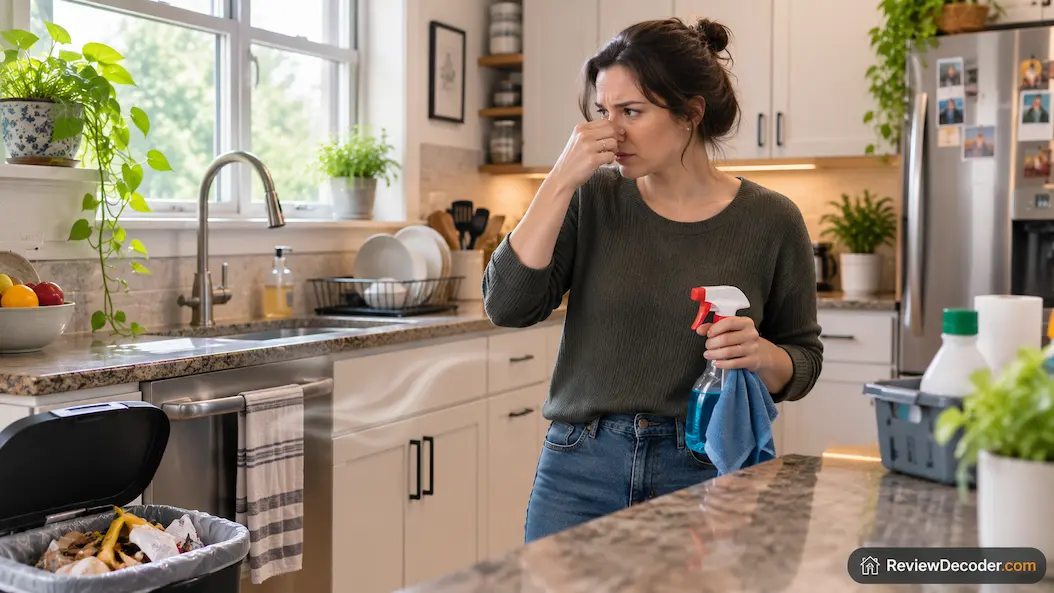
You’ve emptied the trash, mopped the floor, wiped the countertops, and even sprayed an air freshener. For a while, everything seems fresh. Then, by the next day—or sometimes just a few hours later—the unpleasant smell returns. It’s frustrating because it feels as though all that cleaning made little difference.
Often, the problem isn’t that the house wasn’t cleaned properly. The issue is that cleaning removed the visible dirt but not the actual source of the odor. Smells behave differently from stains or dust. They can remain trapped inside fabrics, porous materials, plumbing systems, or damp areas long after surfaces appear spotless.
Understanding why odors keep returning requires looking beyond what you can see. Once you identify where smells are being produced and how they travel through the home, it becomes much easier to stop treating the symptoms and start addressing the real cause.
A Fresh-Smelling Room Can Be Misleading
Many cleaning products leave behind a pleasant fragrance, creating the impression that an odor has been eliminated. In reality, the original smell may still be present beneath the added scent.
This is why some rooms smell fresh immediately after cleaning but gradually return to their previous condition as the fragrance fades. The cleaning process may have improved the surface, but if the material producing the odor remains unchanged, the smell often returns.
Recognizing the difference between masking an odor and removing its source is one of the most important steps in solving recurring smell problems.
Odors Often Hide Inside Materials, Not on Them
Unlike dust, which settles on visible surfaces, odor-causing particles frequently become trapped inside materials.
Carpets, upholstered furniture, curtains, mattresses, rugs, and even unfinished wood can absorb smells over time. Cooking vapors, pet accidents, smoke, moisture, and everyday living slowly penetrate these materials instead of remaining only on the surface.
This explains why wiping nearby furniture may have little effect if the smell is actually embedded deeper within another object in the room.
Moisture Creates the Perfect Environment for Lingering Smells
One of the most common reasons odors keep returning is excess moisture.
Water itself doesn’t usually smell, but damp conditions create an environment where odor-producing microorganisms can thrive. A bathroom that never fully dries, a damp basement, or wet towels left in a pile can all develop persistent smells that return even after nearby surfaces are cleaned.
The longer moisture remains trapped, the more likely it is that odors will continue appearing until the underlying dampness is addressed.
Common Reasons Household Odors Return
| What You Notice | Possible Hidden Cause | Why the Smell Comes Back |
|---|---|---|
| The room smells fresh only briefly | Fragrance masking the odor | The original source remains |
| Musty smell after cleaning | Damp materials or hidden moisture | Moisture continues producing odor |
| Furniture smells unpleasant | Fabric absorbing odors | Smell trapped inside upholstery |
| Kitchen odor returns daily | Grease buildup or food residue | The source remains after surface cleaning |
| Bathroom smells despite cleaning | Persistent moisture or drain issues | Odor-producing conditions continue |
Looking for patterns often reveals much more than repeatedly cleaning the same area.
Air Doesn’t Stay in One Room
A surprising number of household odors travel rather than remain where they originate.
Heating and cooling systems, ceiling fans, open doors, and natural air movement constantly circulate indoor air. As a result, an odor created in one location may become noticeable somewhere entirely different.
For example, a smell originating near a utility room may seem strongest in a nearby hallway simply because that’s where airflow allows odor particles to collect.
Following the smell isn’t always enough—you also need to consider how air moves throughout the house.
Kitchen Smells Often Build Gradually
Most people clean visible cooking messes immediately, but less obvious areas receive attention far less often.
Tiny grease particles released during cooking can settle on cabinet surfaces, range hoods, walls, and light fixtures. Over weeks or months, these residues may begin holding cooking odors even when the kitchen itself appears clean.
Food particles hidden beneath appliances, inside garbage containers, or around sink areas can create a similar effect. Because these sources develop slowly, the returning smell often seems to appear without warning.
Plumbing Fixtures Can Hold More Than Water
A sink may look perfectly clean while still producing an unpleasant odor.
Food residue, soap buildup, organic material, and standing water inside plumbing components can gradually produce smells that become noticeable when the room is quiet or after periods of limited water use.
This doesn’t necessarily indicate a plumbing failure, but it demonstrates that odors frequently originate below visible surfaces rather than above them.
Fabrics Keep the Memory of Everyday Life
Soft materials naturally absorb what surrounds them.
Curtains near kitchens may collect cooking odors. Sofas can absorb pet smells over time. Bedding gradually picks up body oils and everyday moisture, while entry rugs trap outdoor dirt that contributes to indoor odors.
These changes usually happen so slowly that homeowners don’t notice them immediately. Instead, they become aware only after leaving the house for several hours and returning to a smell they’ve gradually stopped noticing.
Because everyday living constantly exposes fabrics, they often need more than routine surface cleaning.
Closed Spaces Can Trap Odors for Weeks
Not every unpleasant smell comes from frequently used rooms.
Closets, storage cabinets, laundry areas, and seldom-opened guest rooms often have limited air circulation. Without regular airflow, odors released from clothing, stored items, shoes, or slightly damp materials can remain concentrated for extended periods.
Even after the room itself is cleaned, the smell may return because the enclosed space continues holding odor-causing particles.
Improving ventilation is often just as important as cleaning when dealing with these areas.
Temperature Can Change How Strong an Odor Feels
Have you ever noticed that a room smells normal in the morning but unpleasant by the afternoon? Often, temperature is part of the reason.
As indoor temperatures rise, odor molecules move more easily through the air. Materials that seemed odor-free when the house was cool may begin releasing trapped smells once they warm up. Sunlight hitting a sofa, a closed vehicle-style mudroom, or a laundry basket in a warm corner can make lingering odors much more noticeable.
This is why some smells seem unpredictable even though the source has been there all along.
Pets Leave Behind More Than Visible Hair
Pet owners usually expect to deal with shedding, but odors often come from places that aren’t immediately obvious.
Pet beds, collars, blankets, favorite resting spots, and upholstered furniture gradually absorb natural oils and moisture. Even after the floor has been vacuumed, these materials may continue releasing odors into the room.
Pets can also bring moisture, dirt, and organic material indoors after spending time outside, adding another source of recurring smells if those areas aren’t cleaned regularly.
The goal isn’t to blame the pet—it’s to recognize that the odor may be stored in the surrounding materials rather than coming directly from the animal.
Poor Ventilation Allows Odors to Linger
Everyday activities such as cooking, showering, and doing laundry release moisture and airborne particles into the home. Without enough fresh air exchange, these particles remain indoors much longer than they should.
Over time, enclosed air can make even minor odors seem stronger because they never fully leave the living space.
Good ventilation doesn’t eliminate every odor, but it helps remove stale indoor air and replace it with fresher air, reducing the chance for smells to build up day after day.
Matching the Smell to Its Most Likely Source
| Odor You Notice | Area Worth Checking | Why It May Return |
|---|---|---|
| Musty smell | Damp rooms, stored fabrics, hidden moisture | Moisture remains after cleaning |
| Sour kitchen odor | Sink, garbage container, hidden food residue | Organic material continues breaking down |
| Stale smell in closets | Stored clothing, limited airflow | Air doesn’t circulate enough |
| Pet odor | Bedding, upholstery, rugs | Fabrics retain natural oils and odors |
| General stale indoor smell | Ventilation and air circulation | Odors remain trapped indoors |
Looking for the most likely source saves far more time than repeatedly cleaning every room.
Porous Surfaces Hold Odors Longer Than Smooth Ones
Not every material behaves the same way.
Glass, metal, and sealed countertops are generally easier to clean because odors stay mostly on the surface. Materials such as unfinished wood, carpets, mattresses, grout, and upholstery are much more porous, allowing odor-causing particles to settle deeper over time.
This difference explains why wiping a countertop often removes a smell immediately while a carpet or sofa may continue releasing the same odor days later.
Understanding which materials naturally retain odors helps homeowners focus their efforts where they will have the greatest effect.
Garbage Isn’t Always the Only Waste Source
Most people remember to empty the kitchen trash, but they often overlook smaller sources of waste.
Recycling bins, food collection containers, reusable grocery bags, vacuum cleaner canisters, compost containers, and even reusable cleaning cloths can all develop odors if they aren’t cleaned periodically.
Because these items are used repeatedly, they may continue producing unpleasant smells even when the surrounding room has been thoroughly cleaned.
Sometimes the odor isn’t coming from the kitchen itself—it’s coming from the container holding yesterday’s residue.
Seasonal Changes Can Affect Household Odors
Homes often smell different throughout the year.
During humid months, moisture levels may make musty odors more noticeable. In colder seasons, homes usually remain closed for longer periods, allowing indoor air to become stale more quickly. Spring may introduce pollen and outdoor moisture, while summer heat can intensify odors trapped inside fabrics and furniture.
Recognizing these seasonal patterns helps explain why an odor may seem to appear only during certain times of the year even though its source hasn’t changed.
Habits That Help Prevent Odors From Returning
| Habit | Long-Term Benefit |
|---|---|
| Allow damp areas to dry completely | Reduces moisture-related odors |
| Clean odor-absorbing fabrics regularly | Removes trapped particles before they build up |
| Improve airflow in enclosed spaces | Prevents stale air from lingering |
| Empty and clean waste containers routinely | Removes hidden odor sources |
| Investigate recurring smells instead of masking them | Addresses the cause rather than the symptom |
These habits focus on preventing odors instead of constantly reacting to them.
Solving the Cause Is More Effective Than Chasing the Smell
It’s natural to clean the area where an odor seems strongest, but that’s not always where the problem begins.
Air movement, porous materials, moisture, and hidden residue can all cause smells to appear far from their original source. Taking a few extra minutes to understand why the odor keeps returning often leads to a more lasting solution than repeatedly cleaning the same visible surfaces.
The question isn’t simply, “Where do I smell it?” It’s also, “What conditions allow this smell to keep coming back?”
Frequently Asked Questions
Why does my house smell clean after cleaning but not the next day?
Cleaning often removes surface dirt, but odors can remain trapped inside fabrics, drains, damp materials, or other hidden areas. As fragrances fade, the original odor becomes noticeable again.
Can humidity make household odors worse?
Yes. Higher humidity can make odor-producing conditions more noticeable by increasing moisture and allowing certain smells to spread more easily through indoor air.
Why do some rooms smell worse than others?
Rooms with limited ventilation, more fabric surfaces, higher moisture levels, or frequent daily activity naturally provide more opportunities for odors to develop and linger.
Are air fresheners enough to solve recurring odors?
Air fresheners may temporarily improve how a room smells, but they generally don’t remove the underlying source that’s producing the odor.
What’s the first step when an odor keeps returning?
Try identifying where the smell is actually originating rather than where it’s most noticeable. Looking for moisture, trapped residue, limited airflow, or odor-absorbing materials often leads to the real cause.

Hamza Farooq is a home improvement and organization writer who shares practical advice on cleaning, simple DIY fixes, and smart home organization. He focuses on creating easy-to-follow guides that help readers solve everyday household problems with realistic, affordable solutions. His goal is to make home maintenance simpler, more efficient, and accessible for anyone looking to improve their living space.