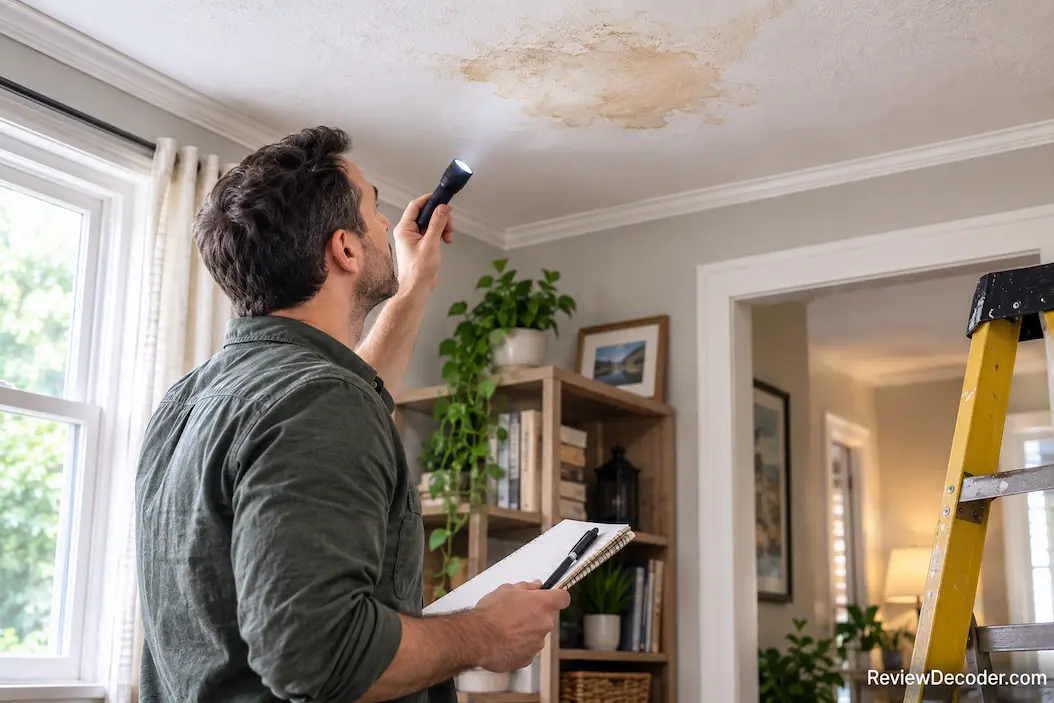
Homes rarely develop major problems overnight. More often, they provide subtle warnings long before a repair becomes urgent. A faint stain on the ceiling, a window that suddenly becomes difficult to open, or an unusual sound from the heating system may seem insignificant on their own. However, these small changes can sometimes be the first indication that part of the home needs attention.
The challenge is that homeowners gradually become accustomed to their surroundings. Because changes happen slowly, it’s easy to overlook them until the problem becomes obvious—and often much pricier to resolve. Learning to recognize early warning signs isn’t about becoming an expert inspector. It’s about paying attention to small differences before they develop into larger issues.
This guide explores twenty-five common signs that deserve a closer look. None of them automatically mean something serious is wrong, but each one is worth noticing because early action is often simpler, less disruptive, and more affordable than waiting until damage spreads.
Your Home Often Changes Before It Fails
One useful way to think about home maintenance is to treat unexpected changes as information rather than inconvenience. A door that closes differently than it did last month or a bathroom that suddenly feels more humid may be telling you that conditions have changed somewhere in the house.
These changes don’t always point to expensive repairs. Seasonal weather, normal settling, and everyday wear can all affect how a home behaves. The important habit is recognizing what has changed and deciding whether it deserves closer attention.
A homeowner who notices small differences early usually has more options than someone who only reacts when something stops working.
1. A New Water Stain Appears
Discoloration on a ceiling or wall is a clear sign that moisture has reached an area where it shouldn’t be.
Even if the stain seems dry, it’s worth finding out whether the source is still active. Water can travel along framing or other hidden surfaces before becoming visible, meaning the stain may not be directly beneath the original leak.
Early investigation can often prevent additional damage to paint, insulation, drywall, or nearby materials.
2. Doors or Windows Suddenly Stick
Most doors and windows operate consistently for years. If one suddenly becomes difficult to open or close, something has changed.
Seasonal humidity can cause wood to expand temporarily, but persistent sticking may also indicate movement within the structure, worn hardware, or gradual frame changes that deserve observation.
Rather than forcing the door or trimming it immediately, it’s usually advisable to determine whether the change is temporary or part of a larger pattern.
3. Paint Begins Peeling Earlier Than Expected
Paint protects more than appearance. It also helps shield many surfaces from moisture and everyday wear.
When paint begins peeling, bubbling, or separating unexpectedly, it may suggest excessive moisture, poor surface preparation during previous painting, or prolonged exposure to environmental conditions.
Looking beyond the paint itself often reveals the underlying issue more effectively than repainting alone.
4. A Musty Odor Doesn’t Go Away
Every home develops occasional odors from cooking, pets, or everyday activities. A persistent musty smell is different because it often continues even after cleaning and ventilation.
Moisture trapped in enclosed spaces may encourage conditions that produce this type of odor. Bathrooms, basements, laundry rooms, and storage areas are common places where it first becomes noticeable.
While the smell itself isn’t a diagnosis, it usually deserves further investigation rather than being covered with air fresheners.
5. Utility Bills Increase Without a Clear Reason
Energy costs naturally change throughout the year, but a noticeable increase without changes in household habits can sometimes indicate that part of the home isn’t operating as efficiently as before.
Air leaks, aging weather seals, heating or cooling equipment requiring maintenance, or insulation problems may gradually increase energy use without creating obvious symptoms elsewhere.
Reviewing recent utility patterns occasionally can help identify changes before they become larger maintenance concerns.
6. Small Cracks Begin Expanding
Tiny cracks in paint or plaster are common in many homes, particularly as buildings settle over time.
However, cracks that become noticeably longer, wider, or repeatedly return after repair deserve closer attention. The speed of change often provides more useful information than the crack itself.
Taking occasional photographs can make gradual movement easier to recognize over several months.
Early Signs Worth Monitoring
| Warning Sign | Possible Reason | Why It Deserves Attention |
|---|---|---|
| Ceiling stain | Moisture intrusion | Water damage often spreads gradually |
| Sticking door | Seasonal movement or structural change | May indicate changing conditions |
| Peeling paint | Moisture or surface deterioration | The protective finish may be compromised |
| Persistent musty smell | Hidden moisture | Can signal ongoing dampness |
| Rising utility bills | Reduced efficiency | Higher operating costs may indicate maintenance needs |
| Expanding cracks | Structural movement or material changes | Monitoring helps identify progression |
These observations don’t confirm a specific problem, but they provide useful reasons to investigate further.
7. Flooring Feels Different Underfoot
Floors naturally experience wear over time, but they shouldn’t suddenly begin feeling soft, uneven, or unstable.
A slight bounce, unexpected movement, or new squeaking in one particular location doesn’t automatically indicate serious damage. However, if the change is new or becomes progressively more noticeable, it’s worth identifying the cause rather than simply becoming accustomed to it.
Changes beneath the surface often become easier to address when discovered early.
8. Water Takes Longer to Drain
Slow drainage usually develops gradually rather than all at once. Because the change is often subtle, many homeowners simply adjust to it without realizing performance has declined.
Whether the cause is partial blockage, buildup inside pipes, or another plumbing issue, addressing slower drainage early can reduce the likelihood of larger problems developing later.
Waiting until water stops draining completely often makes the situation more disruptive.
9. Exterior Caulking Starts Separating
Caulk around windows, doors, sinks, and exterior joints helps keep water where it belongs. Over time, exposure to sunlight, changing temperatures, and natural aging may cause it to shrink, crack, or pull away from surrounding surfaces.
These gaps may appear small, yet they reduce the protective barrier designed to keep moisture from entering vulnerable areas.
Regular visual inspection allows you to address deteriorating sealant before it affects surrounding materials.
10. Appliances Sound Different Than Usual
Every household appliance has its normal operating sound. When that sound changes noticeably—whether it becomes louder, develops vibration, or includes unfamiliar clicking or grinding—it often deserves attention.
Many mechanical issues begin with subtle changes rather than complete failure. Recognizing those changes early may allow maintenance before additional wear affects other components.
Ignoring unusual noises simply because the appliance still works can sometimes shorten its overall lifespan.
11. Condensation Appears More Frequently
Finding occasional condensation on windows during certain weather conditions isn’t unusual. However, increased or persistent condensation may suggest changes in indoor humidity, ventilation, or insulation performance.
Monitoring when and where condensation appears can provide useful clues about changing conditions inside the home.
Moisture may not always cause immediate problems, but prolonged dampness usually harms surrounding materials.
12. Gutters No Longer Drain Smoothly
Gutters are easy to forget because they’re out of everyday view. However, overflowing water, visible sagging, or sections that remain full after rainfall may indicate that you need to perform maintenance.
Proper drainage helps direct water away from the home’s exterior and foundation. Keeping gutters functioning correctly reduces unnecessary exposure to moisture around vulnerable areas.
A quick visual inspection after heavy rain often provides valuable information about how well the system is performing.
13. Cabinets or Trim Develops New Gaps
Small gaps where trim meets walls or where cabinet joints begin separating may simply reflect seasonal movement in some homes.
However, noticeable changes that continue increasing over time deserve observation, particularly if similar changes appear in several areas at once.
Comparing these changes over several months helps determine whether they’re remaining stable or gradually progressing.
14. Rust Begins Appearing Where It Never Did Before
Rust doesn’t always indicate a serious problem, but it usually suggests that moisture is reaching metal surfaces more often than expected. Outdoor railings, hinges, plumbing fittings, and exposed fasteners are all worth checking occasionally.
If rust appears in an area that has always remained dry, it’s helpful to investigate why conditions have changed. Addressing the source of the moisture is often more important than simply removing the rust itself.
Early attention can prevent corrosion from gradually weakening the affected component.
15. The Roof Doesn’t Look Uniform Anymore
You don’t need to climb onto the roof to notice changes. Viewing it from the ground every few weeks can reveal missing shingles, uneven sections, loose flashing, or debris that wasn’t there before.
Many roofing problems begin with small, localized damage that may not immediately allow water inside the home. Spotting these changes early often makes maintenance simpler than waiting until interior leaks appear.
Developing the habit of visually checking the roof after major storms is a practical part of routine home care.
16. Light Switches or Outlets Feel Unusually Warm
Electrical fixtures normally remain close to room temperature during everyday use. If a switch, outlet, or plug feels noticeably warm without an obvious explanation, it deserves prompt attention.
Warm electrical components might not indicate a serious fault, but they should always be investigated. Continuing to use them without understanding the cause increases unnecessary risk.
Electrical concerns should always be treated more cautiously than cosmetic maintenance issues.
17. Insects Start Appearing in Unusual Numbers
Seeing an occasional insect indoors isn’t uncommon. A sudden increase, however, may indicate that small entry points, excess moisture, or hidden food sources have developed somewhere around the home.
Certain insects are also attracted to damp wood or standing water, making them an indirect sign that another maintenance issue may be present.
Instead of just eliminating the insects, it’s worth determining why conditions have become more attractive to them.
18. Bathroom Grout Changes Color
Grout naturally darkens over time as it collects dirt and everyday residue. However, localized discoloration, crumbling, or persistent damp areas can suggest that moisture is remaining where it shouldn’t.
Because grout helps protect the surfaces beneath tiles, maintaining it is about more than appearance. Small defects can gradually allow water to reach surrounding materials if ignored for extended periods.
Routine inspection during normal cleaning makes these changes much easier to notice.
19. Fence Posts or Railings Feel Less Stable
Outdoor structures gradually experience years of changing weather, temperature, and moisture. A fence that begins leaning slightly or a handrail that develops movement may simply need maintenance before the problem worsens.
Stability often changes gradually rather than suddenly. Identifying loose fasteners, deteriorating wood, or shifting foundations early can prevent more extensive repairs later.
Regularly checking anything that supports weight or provides safety is a sensible habit.
20. Floors and Surfaces Become Harder to Keep Clean
If one area of the home suddenly seems to collect far more dust, dirt, or moisture than it did previously, it may be pointing toward another issue.
For example, damaged weather seals can allow more outdoor dust inside, while excess humidity may cause surfaces to feel damp more often. Changes in cleaning patterns sometimes reveal maintenance needs before visible damage appears.
When housekeeping suddenly becomes more difficult without a clear reason, it’s worth looking beyond the cleaning routine itself.
Which Warning Signs Need the Fastest Attention?
| Warning Sign | Priority |
|---|---|
| Warm electrical outlets or switches | High |
| Active water stains or ongoing leaks | High |
| Missing roof materials after storms | High |
| Slow drains becoming progressively worse | Medium |
| Persistent musty odors | Medium |
| Peeling exterior caulk or sealant | Medium |
| Small cosmetic cracks with no change | Monitor |
| Minor seasonal sticking doors | Monitor unless it’s worsening |
Prioritizing problems helps homeowners decide which issues deserve immediate action and which simply require observation.
21. Outdoor Paths Begin Holding Water
After rainfall, notice how water moves around your property. Small puddles that remain long after surrounding areas have dried may indicate changes in grading, drainage, or surface condition.
Standing water isn’t always a concern by itself, but repeated pooling near foundations, walkways, or exterior walls deserves attention because moisture can affect nearby structures over time.
Observing drainage during and after rain provides information that dry weather often hides.
22. The Home Sounds Different
Homes naturally produce occasional sounds as temperatures change, but new or persistent noises are worth noticing.
Repeated creaking in one location, vibration from ventilation systems, or unusual sounds inside walls or ceilings don’t automatically indicate serious defects. However, changes in familiar sounds often provide early clues that something has shifted or requires maintenance.
Becoming familiar with your home’s normal sounds makes unusual ones easier to recognize.
23. Windows No Longer Seal Properly
If outdoor noise becomes more noticeable, drafts appear around window frames, or condensation develops between panes in insulated windows, the sealing system may no longer be performing as intended.
A properly sealed window contributes to indoor comfort and energy efficiency. Changes in performance may gradually increase heating and cooling costs while reducing overall comfort.
Small reductions in efficiency are often easier to correct before they affect surrounding materials.
24. Outdoor Paint or Wood Ages Unevenly
Exterior surfaces rarely wear at exactly the same rate. However, areas that suddenly fade, crack, or deteriorate much faster than surrounding sections may experience excess moisture, direct sunlight, or other changing conditions.
Rather than repainting immediately, take time to understand why that particular area is aging differently. Correcting the underlying cause often produces better long-term results.
Patterns usually reveal more than isolated spots.
25. You Notice Something That “Wasn’t Like That Before”
Perhaps the most valuable maintenance habit isn’t technical knowledge—it’s simple awareness.
A smell that wasn’t there last month, a new vibration, an unfamiliar stain, or a small change in how something works may all deserve attention. Even if the cause turns out to be harmless, noticing change early allows you to investigate before problems become larger.
Many expensive repairs begin as something a homeowner vaguely remembers seeing months earlier.
A Simple Monthly Home Observation Routine
| Area | What to Notice |
|---|---|
| Ceilings and walls | New stains, cracks, peeling paint |
| Windows and doors | Drafts, sticking, damaged seals |
| Plumbing fixtures | Slow drainage, drips, unusual moisture |
| Exterior | Loose materials, damaged caulk, standing water |
| Roof (from ground) | Missing shingles, debris, uneven sections |
| Heating and cooling | New noises, reduced airflow, unusual odors |
Spending just a few minutes each month walking through your home can help identify changes long before they become major repair projects.
Frequently Asked Questions
Do all warning signs mean something is seriously wrong?
No. Many changes have simple explanations, including seasonal weather, normal aging, or routine wear. The goal is to notice changes and determine whether they remain stable or continue developing.
How often should I inspect my home?
A brief inspection once a month is usually enough for most households. It’s also worthwhile to check the exterior after severe weather or heavy rainfall.
Should I repair every small crack right away?
Not necessarily. Small cosmetic cracks often remain unchanged for years. Monitoring whether they increase in size or appear alongside other changes is usually more informative than reacting immediately.
Why is early maintenance usually less expensive?
Small problems often affect only one area. When left unattended, they may gradually spread to nearby materials, increasing both the complexity and cost of repairs.
When should I contact a professional?
Seek professional assessment whenever you notice electrical concerns, active water leaks, structural movement, gas-related issues, or any condition that appears to be worsening quickly or creating a safety risk.

Hamza Farooq is a home improvement and organization writer who shares practical advice on cleaning, simple DIY fixes, and smart home organization. He focuses on creating easy-to-follow guides that help readers solve everyday household problems with realistic, affordable solutions. His goal is to make home maintenance simpler, more efficient, and accessible for anyone looking to improve their living space.